



Paper chain pots for the Paperpot Transplanter, with 4 in between plants. Each chain holds 264 seedlings and plants about 93 ft of row. Good for beets, salad turnips, bok choy, tatsoi and head lettuce.
- 4 in between plants, 264 per chain. Each chain plants about 93 ft of row. Seed every other cell for 8 in spacing.
- Plant a 100 ft bed in about 15 minutes. Grown out in a Germination Tray, each chain plants straight off the tray with the Paperpot Transplanter, standing up.
- Made for the Paperpot Transplanter. The original Nitten paper chain pots from Japan, the chains the transplanter was built around.
- Paper that breaks down in the soil. Roots grow through the paper after planting. Paper-based planting pots are on the USDA National List; check with your certifier.
- Want bigger transplants? Extra Deep chains come in 4 in spacing too, with cells twice as deep. Same trays, tools and transplanter.
What's in the box
Compressed paper chain pots in 4 in spacing, 264 cells per chain: 25 chains, or 75 in a full case. Each chain opens over one Paperpot Germination Tray. Trays, potting mix and seed sold separately.
Free shipping on orders over $25 in the Lower 48 · Most orders ship within 24 hours
- 264 Seedlings per chain
- 4 in Between plants, or 8 in seeding every other cell
- 93 ft Of row planted per chain
- 15 min To plant a 100 ft bed
What growers plant in 4 in chains
Rows per 30 in bed for crops our growers plant in 4 in chains. Seeding every other cell gives 8 in spacing.
| Crop | Chain spacing | Rows per bed |
|---|---|---|
| Head lettuce | 4 in, every other cell (8 in) | 3 |
| Salad turnips | 4 in | 5 |
From our reviews
-
“4" chain pots are my go-to for fall, winter and early spring transplants in my 30' x 98' high tunnels. 1 chain per row with very little waste.”
Melanie C. -
“Game changer. I plant 100% of my annuals with these.”
Chris P. -
“Great chains, shipped promptly, best price I can find for 25 chains.”
Robert G.
What you need to grow and plant them
Chains open over a Germination Tray, get seeded, grow out for a few weeks, then go straight into the transplanter.
-
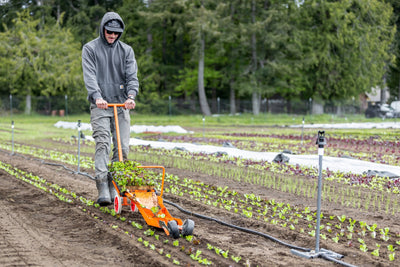 Plants a chain in one pass, standing up
-
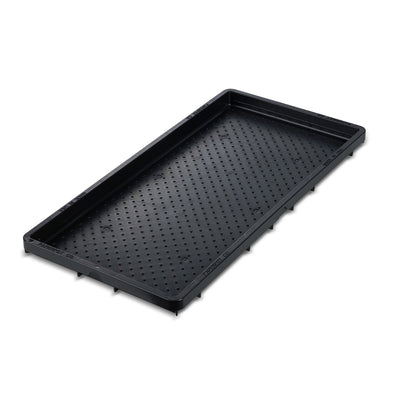 One per chain, to grow the seedlings out
-
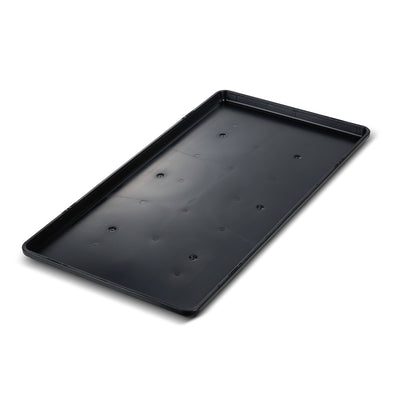 Hold the germination trays for bottom watering
-
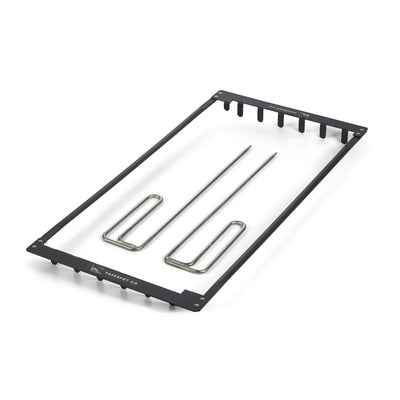 Spreader bars and frame to open each chain over a tray
-
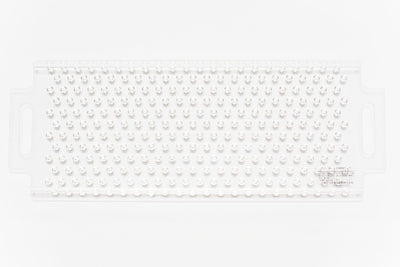 Presses a seed pocket into every cell at once
-
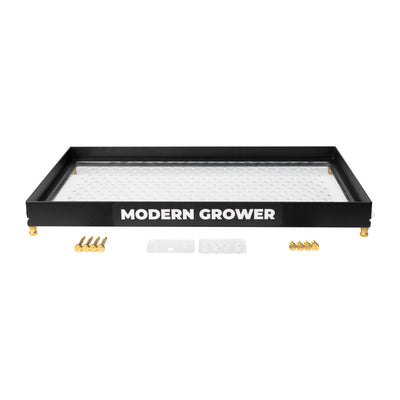 Seeds all 264 cells in one pass
Get it all in one box
The Pro-Series Starter Kit includes the transplanter plus 6 in paper chains, germination and bottom trays, the Opening Kit, Dibble Board and Kwik Klik Slide with seed plates.
See the Starter Kit →Specs at a glance
- Cells per chain
- 264
- In-row spacing
- 4 in (8 in seeding every other cell)
- Row planted per chain
- About 93 ft
- Cell size
- 1.18 in across, 1 in (25 mm) deep
- Pack sizes
- 25 chains, or a full case of 75
- Fits
- Paperpot Transplanter and Paperpot Germination Trays
- Made in
- Japan
Guides from paperpot.co
Step-by-step guides and crop notes live on paperpot.co, our Paperpot learning site.
- GuideWhat are paper chain pots?Cell size, chain lengths and how spacing works.Read the guide ↗
- GuideHow to use the Paperpot systemOpen, seed, grow and plant, step by step.Read the guide ↗
- Crop guidesPaperpot Growers NotesSeeding, timing and spacing for 19 crops.See the crops ↗
- GuideSkip spacingSeed every other cell for 8 or 12 in spacing.Read the guide ↗
- GuideKwik Klik Slide instructionsPlate chart and seed-testing tips.Read the guide ↗
Paper chain pot questions
More answers in the full Paperpot FAQ, or email hello@moderngrower.co.
How many chains do I need?
Each 4 in chain plants about 93 ft of row, so one chain plants about one row of a 100 ft bed. Four rows takes about 4 to 5 chains.
Standard or Extra Deep?
Standard chains have cells 25 mm (1 in) deep. Extra Deep chains have the same footprint but are 50 mm (2 in) deep, twice the root room, for bigger, sturdier transplants. Both work with the same Germination Trays, seeding tools and Paperpot Transplanter.
Do I need the transplanter?
The chains are made to be planted with the Paperpot Transplanter. You can also tear cells off and plant them by hand, but the transplanter is what makes a 100 ft bed take about 15 minutes.
What else do I need to grow them?
A Germination Tray for each chain, a Solid Bottom Tray under it for bottom watering, and the Opening Kit to spread the chain over the tray. The Dibble Board and Kwik Klik Slide make seeding all 264 cells fast. The Starter Kit includes everything.
4 in or a different spacing?
Pick the spacing for the crop. 4 in chains suit beets, salad turnips, bok choy, tatsoi and head lettuce. See 2 in and 6 in chains, or the crop notes on paperpot.co.
Can I get wider spacing?
Yes. Seed every other cell for 8 in between plants. The Kwik Klik Slide has skip plates for this.
Can I use paper chain pots on a certified organic farm?
Paper-based planting pots were added to the USDA National List in late 2022. Check with your certifier before you use them.
How long do seedlings stay in the chains?
Most crops are ready to plant in about four weeks, depending on the crop and the weather.
Best price guarantee
Find a better price on the same chains and we'll beat it.
Real people answer
Questions go to our team, not a bot. hello@moderngrower.co · 877-850-1555
Ships from the US
In stock, with most orders out within 24 hours. Free shipping over $25 in the Lower 48.
About 4 in paper chain pots
Paper chain pots are strips of paper cells glued into a single chain that folds flat. Opened over a Paperpot Germination Tray, a chain becomes 264 cells you fill, seed and grow out like any plug tray. At planting time the Paperpot Transplanter pulls the chain out of the tray and lays the seedlings in a straight row, 4 in apart, while you walk the bed.
Where 4 in chains fit
Growers use 4 in chains for beets, salad turnips, bok choy, tatsoi and head lettuce. Each chain plants about 93 ft of row, and seeding every other cell gives 8 in spacing for bigger plants.
Growing them out
Each chain fills one Germination Tray, set in a Solid Bottom Tray for bottom watering. Most crops are ready to plant in about four weeks. The paper holds together in the tray and breaks down in the soil after planting.