



Clear Poly, Greenhouse Plastic for Low Tunnels
Clear greenhouse poly cut for low tunnels. Over hoops it traps heat and shields crops from cold, wind and rain, so you plant earlier in spring and keep harvesting later into fall. After a crop comes out, lay it flat on the bed to solarize the soil.
- Sized for low tunnels. 70 in wide by 120 ft: covers hoops over a 30 in bed with room to pin, and runs a 100 ft bed or two 50 ft beds.
- 6 mil, 5-layer film. Polyolefin, not cheap single-layer polyethylene. Stronger and more tear-resistant, so it survives wind, hoops and handling.
- Grow earlier and later. Traps heat and blocks cold, rain, snow and wind, so you plant sooner in spring and harvest longer into fall.
- Second job: solarize beds. Laid flat on a wet bed in summer, the Solid film heats the soil enough to kill many weed seeds and soil diseases and speed up crop residue breakdown.
What's in the box
One roll of clear 6 mil greenhouse poly, 70 in wide by 120 ft long, Solid or Vented. Hoops and staples sold separately.
Free shipping on orders over $25 in the Lower 48 · Most orders ship within 24 hours
- 6 mil 5-layer polyolefin film
- 70 in × 120 ft Covers a 100 ft bed with overhang
- >90% Light let through
- 3+ seasons Expected life with care
Pairs well with
-
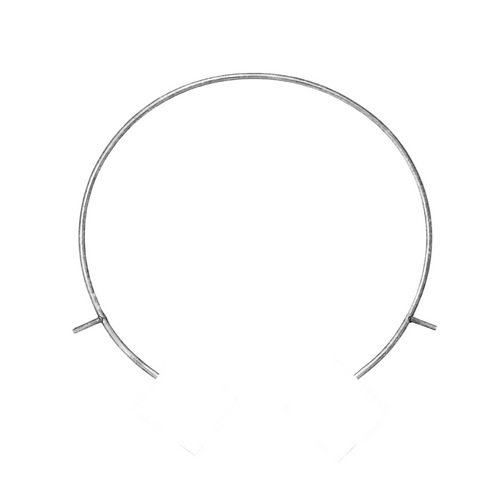
Kwik Hoops Nano Low Tunnels
Hoops to hold the poly over a bed.
$137.00View -
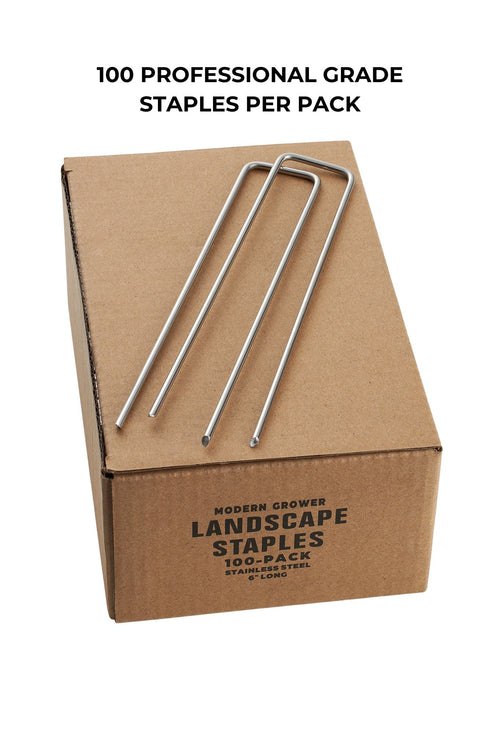
Stainless Steel Landscape Staples
Pin the edges down in wind. Stainless won't rust.
$37.25 -
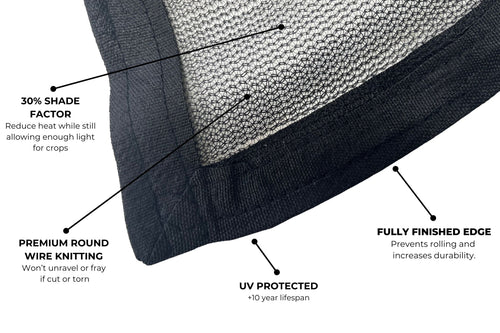
Low Tunnel Shade Cloth
Swap in 30% shade on the same hoops for summer.
From $95.00Choose -
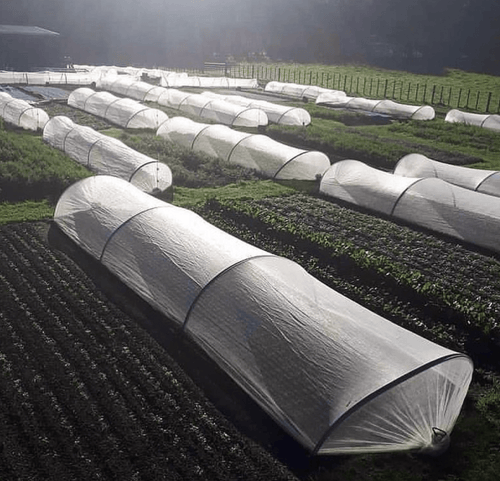
InsectaNet
Insect netting for the same tunnels.
$117.00
Solarize a bed after harvest
A market grower told us they lay this poly flat over a bed after pulling a crop to break down the residue and knock back weeds. That's soil solarization. Clear plastic lets sunlight through and traps the heat, warming wet soil to 108–140°F at 2 in deep on hot, sunny days. Four to six weeks of that kills many weed seeds and soilborne diseases near the surface and speeds up the breakdown of crop residue, all without chemicals.
Use the Solid version. The holes in the Vented version let heat and moisture escape.
| Target | What the heat does | How well it works |
|---|---|---|
| Annual weeds | Kills many weed seeds in the top few inches | Good |
| Perennial weeds | Roots and rhizomes deep in the soil can resprout | Partial |
| Soil diseases | Kills many soilborne fungi, including Verticillium and Fusarium wilt | Good |
| Nematodes | Reduced in the top 12 in; deeper ones can survive | Partial |
| Crop residue | Breaks down faster, releasing nitrogen, calcium, magnesium and potassium | Good |
| Beneficial life | Helpful fungi and bacteria survive or return quickly | Mostly unharmed |
Four steps to a clean bed
Specs at a glance
- Size
- 70 in wide × 120 ft long
- Covers
- One 100 ft bed with 5 ft overhang at each end, or two 50 ft beds
- Thickness
- 6 mil
- Material
- 5-layer, UV-stabilized polyolefin
- Light
- More than 90% light transmission
- Coatings
- Anti-drip, anti-fog and anti-aging
- Versions
- Solid, or Vented with pre-punched air holes
- Expected life
- 3+ seasons with care
Clear poly questions
Still not sure? Email hello@moderngrower.co or call 877-850-1555.
Solid or Vented?
Solid holds the most heat, which you want in early spring, late fall and for solarizing. Vented has pre-punched holes that let excess heat and humidity out, so the tunnel is less likely to overheat on sunny days and needs less opening and closing. It keeps most of the insulation benefit.
Can I use it to solarize soil?
Yes, use the Solid version. Lay it flat on a smoothed, well-watered bed, seal the edges and leave it 4 to 6 weeks in the hottest part of summer. The soil near the surface gets hot enough to kill many weed seeds and soilborne diseases and to break down crop residue faster.
Doesn't solarizing call for thin plastic?
The thinnest film (about 1 mil) heats a little more, but it tears easily and usually lasts one use. Thicker film still works in hot, sunny weather, holds up in wind and can go back on your tunnels afterward. On cooler or cloudier sites, give it the full 6 weeks or more.
Is solarizing the same as tarping?
No. Tarping (occultation) uses black or opaque tarps that block light, so weeds sprout in the dark and die. Solarizing uses clear plastic to heat the soil, which also works on weed seeds that haven't sprouted and on some soil diseases. Solarizing needs hot, sunny weather; tarping works in any season.
Will solarizing hurt my soil life?
Research from the University of California found that helpful fungi and bacteria, including mycorrhizae, usually survive or come back quickly, and that solarized soil can resist disease better afterward. Earthworms generally move deeper to escape the heat.
How do I put it up as a low tunnel?
Drape it over low tunnel hoops, pull it snug and pin the sides and ends. Leave about 5 ft extra at each end to gather and secure.
How long will it last?
The 6 mil, UV-stabilized film should give you three or more seasons when you store it dry and out of the sun between uses.
Built to last
6 mil, 5-layer, UV-stabilized film that resists tears, so one roll covers several seasons.
Real people answer
Questions go to our team, not a bot. hello@moderngrower.co · 877-850-1555
Ships from the US
In stock, with most orders out within 24 hours. Free shipping over $25 in the Lower 48.
About Modern Grower Clear Poly
Modern Grower Clear Poly is greenhouse film cut for low tunnels on market garden beds. Each roll is 70 in wide by 120 ft long, enough to cover hoops over a 30 in bed and run a 100 ft bed with 5 ft to spare at each end, or to cut in half for two 50 ft beds.
Extend the season
Over hoops, the clear film lets in more than 90% of the light while trapping heat and blocking cold, rain, snow and wind. Crops grow faster in cool weather, losses go down and harvests run longer, so you can plant earlier in spring and keep picking later into fall. Choose Solid for the most heat, or Vented to let excess heat and humidity escape on sunny days.
Solarize between crops
The Solid film doubles as a soil solarization tarp. Laid flat on a smoothed, well-watered bed for four to six weeks in midsummer, clear plastic heats the top few inches of soil to 108–140°F. University of California research shows that kills many annual weed seeds and soilborne diseases such as Verticillium and Fusarium wilt, reduces nematodes near the surface and speeds the breakdown of crop residue, releasing nutrients for the next crop. It uses no chemicals, and helpful soil microbes generally survive or return quickly.
Built to last
Unlike cheap single-layer polyethylene, this film is 6 mil, 5-layer polyolefin with higher tensile strength and tear resistance. It's UV-stabilized with anti-drip, anti-fog and anti-aging coatings, and should last three or more seasons with care.